In many industrial projects, the originally specified product may not always be available within the required delivery time.
A product may also become discontinued, have a long production lead time or be difficult to source in the required quantity.
In these situations, an alternative product can be considered.
However, replacing an industrial electrical component is not as simple as finding another product with a similar appearance or basic rating.
The alternative must be technically suitable for the application.
Depending on the type of equipment, several points may need to be checked, including:
electrical ratings
voltage and current values
short-circuit characteristics
dimensions
mounting requirements
communication protocols
protection functions
control voltage
environmental conditions
required accessories
standards and certifications
Compatibility with the existing system is especially important.
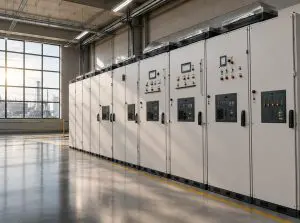
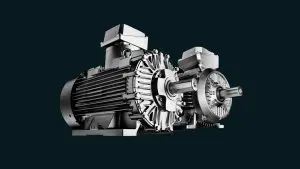
For example, replacing a circuit breaker, protection relay, motor, drive or automation component may require checking more than just the main technical rating.
Connections, accessories, software compatibility and system integration can also affect whether the alternative is suitable.
Project requirements should also be considered.
Some projects allow technically equivalent products from different brands, while others require a specific manufacturer or approved vendor list.
For this reason, any proposed alternative should be reviewed and approved before an order is placed.
Lead time is another important factor.
A technically suitable alternative with better availability can sometimes prevent delays in panel production, installation or commissioning.
Cost can also be improved in some cases, but it should not be the only reason for changing the original specification.
The objective should always be to find a solution that meets the technical requirements while supporting the project schedule and overall procurement strategy.
At String Solutions, we support customers with product identification, technical comparison, alternative evaluation and sourcing of industrial electrical equipment.